
When you first walk into a bare commercial space, it is easy to get swept up in the vision. You see where the reception desk will go, you imagine the rows of modern workstations, and you can almost feel the energy of your team in the new environment. This initial phase is full of creativity and high expectations. However, I have noticed that even the most organized business owners tend to focus heavily on the visual elements while missing the technical details that actually make a workspace functional.
A successful project is not just about a beautiful finish. It is about how the space performs on a Tuesday afternoon when every phone is ringing and the air conditioning is fighting the summer heat. Most clients spend eighty percent of their time picking out paint colors and furniture fabrics, but the things that truly cause frustration later are often invisible. If you want to avoid the “I wish we had thought of that” moment, you need to look beneath the surface. This guide covers the critical areas that frequently slip through the cracks during commercial fit outs.
The Invisible Problem of Acoustic Privacy
Sound is perhaps the most underestimated factor in office design. In the push for modern, open-plan layouts, many businesses forget that human beings need a certain level of quiet to focus. Glass partitions look stunning and allow light to flow through the office, but if they are not specified correctly, they offer very little privacy. I have seen many managers move into a beautiful new office only to realize they can hear every word of a private conversation from the room next door.
Thinking About Sound in Commercial Fit Outs
When you are planning your layout, you must consider the “acoustic rating” of your materials. Standard glass and thin drywall are not enough to block sound in a busy environment. You might need double-glazed partitions or acoustic insulation inside the walls. Furthermore, consider the ceiling. Most sound travels over the top of the walls through the ceiling void. If your walls do not go all the way up to the structural slab, your private meeting room is not actually private. Adding acoustic baffles or sound-masking technology can make a world of difference in the daily comfort of your staff.
The Power and Data Backbone
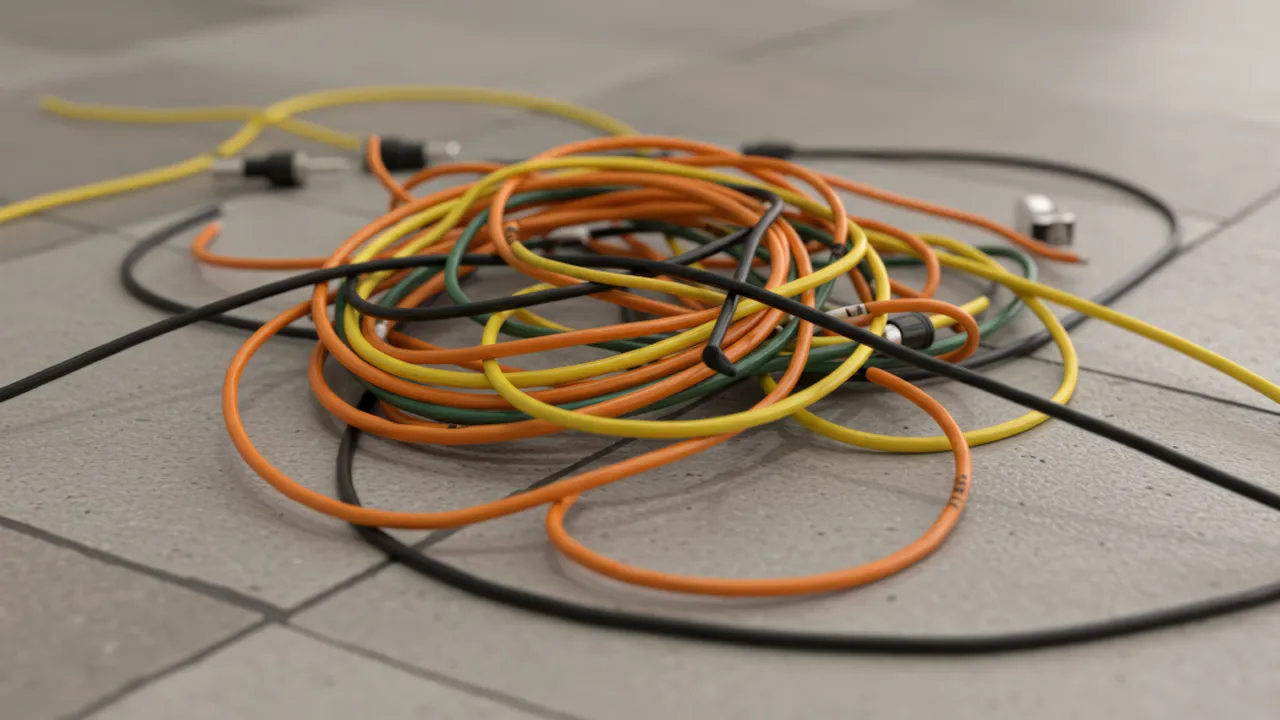
We live in a wireless world, yet a functional office requires more cables than most people realize. One of the biggest mistakes I see is a lack of planning for electrical outlets and data points. It is very common for a client to approve a desk layout and then realize later that half the desks are nowhere near a floor box. This leads to the sight of messy extension cords stretching across the floor, which is both a trip hazard and an eyesore.
Managing Technical Loads in Commercial Fit Outs
You should always plan for more power than you think you need. Consider where the printers, coffee machines, and server racks will go. Each of these items has a specific power draw. If your design calls for high-end servers or heavy kitchen equipment, you must verify that the building infrastructure can support it before you start building. Do not forget about the “hidden” tech, such as Wi-Fi access points in the ceiling and HDMI cables for the boardroom table. Fixing these after the walls are closed is significantly more expensive than doing it right the first time.
The Underestimated Need for Storage
In the age of digital files, many clients assume they do not need much storage. This is a classic oversight. While you might not have rows of filing cabinets anymore, you still have physical items that need a home. Think about where you will store extra stationery, marketing materials, server hardware, and even the staff’s personal items like coats and bags.
Without a dedicated storage plan, these items eventually end up piled in corners or taking up space on desks. This creates a cluttered environment that ruins the aesthetic of your expensive renovation. When you are working on your commercial fit outs, look for “dead space” that can be converted into built-in storage. Under-bench cabinets, wall-to-wall shelving in a back corridor, or a dedicated utility room can keep your main office looking sharp and organized. A clean office is a productive office, and you cannot have a clean office without somewhere to put your stuff.
Maintenance and the Longevity of Materials
It is easy to fall in love with a delicate material in a showroom. A white plush carpet or a porous marble countertop might look incredible on day one. However, you have to ask: Who is going to clean this? A commercial environment faces much more wear and tear than a home. Coffee spills, heavy foot traffic, and moving chairs will test the limits of your finishes.
Selecting Practical Finishes for Commercial Fit Outs
I always advise clients to think about the “maintenance lifecycle” of their choices. If a material requires a specialized cleaning team or expensive chemical treatments every month, it might not be the best choice for a busy office. Look for commercial-grade fabrics that are stain-resistant and flooring that can be easily mopped or vacuumed. It is much better to have a durable, high-quality laminate that looks like wood but lasts for ten years than a real wood floor that gets scratched and ruined in six months. Smart material choices protect your investment and keep the property looking new for much longer.
Logistics and the “Moving In” Phase
The construction is not the end of the journey. The actual process of moving your team and furniture into the space is a major logistical task that many people forget to plan. If your office is on a high floor of a commercial tower, you cannot simply show up with a truck. Most building managers have strict rules about when you can use the service elevators and where you can park.
You may need to book the elevator weeks in advance. You might also find that some of your furniture, like a large boardroom table or a heavy safe, does not even fit in the elevator. These small logistical details can cause massive delays and extra costs on moving day. I recommend talking to your building manager very early in the project to understand their specific requirements for deliveries and waste removal. Knowing the “house rules” saves you a lot of stress during the final week of the project.
Waste Management and Daily Life
Where does the trash go? It sounds like a simple question, but in a large office, it is a significant concern. Many clients forget to design a space for large waste bins or recycling stations. If you have a kitchen or a breakroom, you need a plan for food waste that keeps odors away from the workstations. Similarly, consider the placement of printers. Printers generate heat, noise, and paper dust. Putting them in the middle of a quiet work zone is a mistake. A small, ventilated “print nook” is a much better solution that keeps the office peaceful and clean.
Conclusion
A great commercial space is the result of paying attention to the things that most people ignore. By thinking about acoustics, power distribution, storage, and maintenance early in the process, you create an environment that truly works for your business. The best commercial fit outs are the ones where the team feels comfortable and supported, without even realizing how much work went into the technical details. Take your time during the planning phase and don’t be afraid to ask the “boring” questions. Those are the ones that will ensure your project is a success in the long run.
If you are planning a renovation and want to make sure no detail is overlooked, our team is here to guide you. we specialize in creating spaces that are as functional as they are beautiful.