
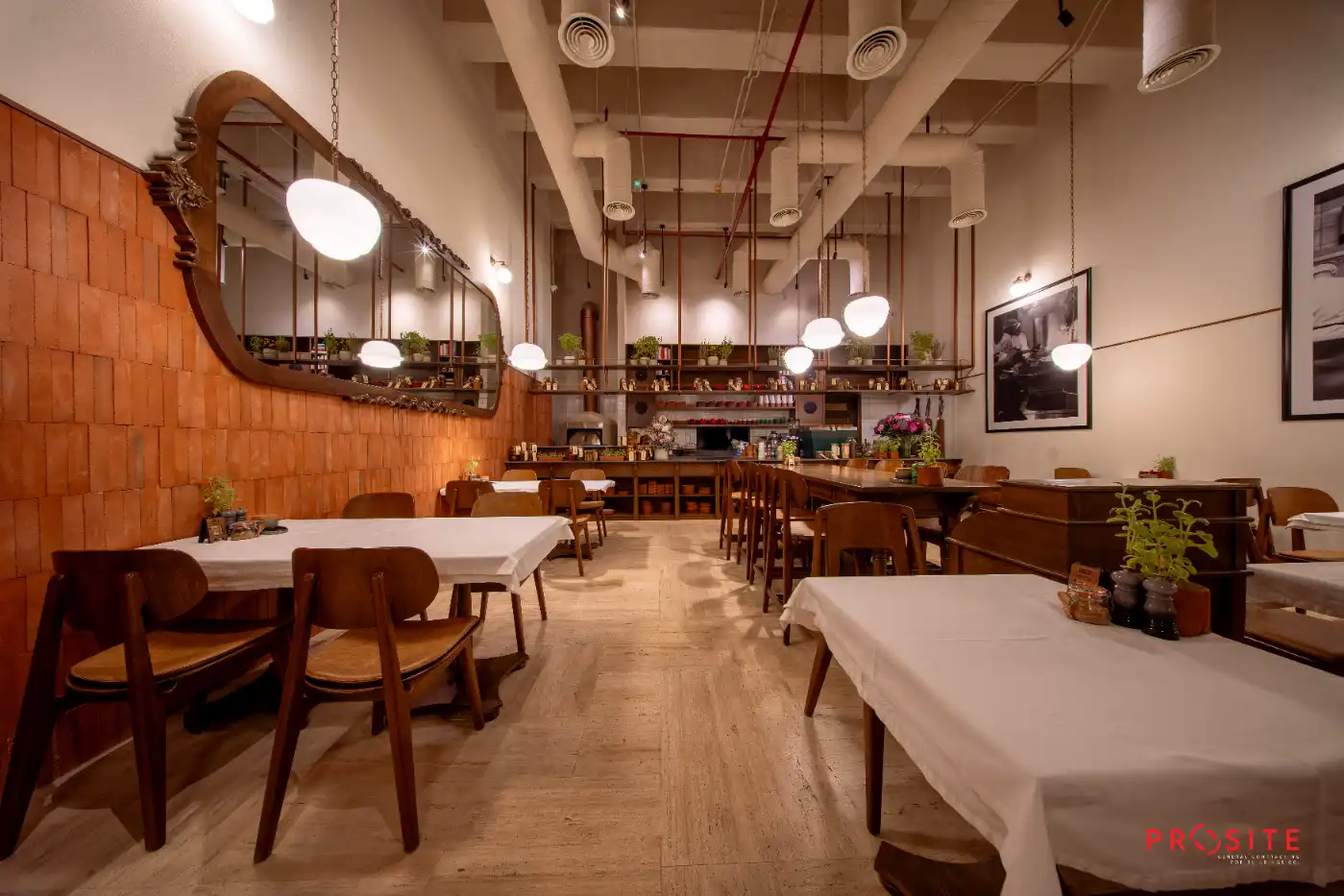
In the competitive culinary landscape of Kuwait, the quality of the food is only one part of the success equation. While a great menu brings people in, the physical environment determines how long they stay and whether they return. A successful dining establishment must provide a sensory experience that complements the flavors on the plate. Specifically, every element of the interior, from the height of the chairs to the brightness of the lights, plays a role in how a guest perceives the brand.
A comprehensive Restaurant Fit Out involves a complex balance between back-of-house efficiency and front-of-house comfort. If the kitchen is too far from the tables, the food arrives cold. If the seating is too cramped, the guests feel rushed. Consequently, planning a renovation or a new build requires a deep understanding of human behavior and operational logistics. This guide explores the essential components that every business owner must consider to create a memorable and high-performing dining space.
The Psychology of the Dining Environment
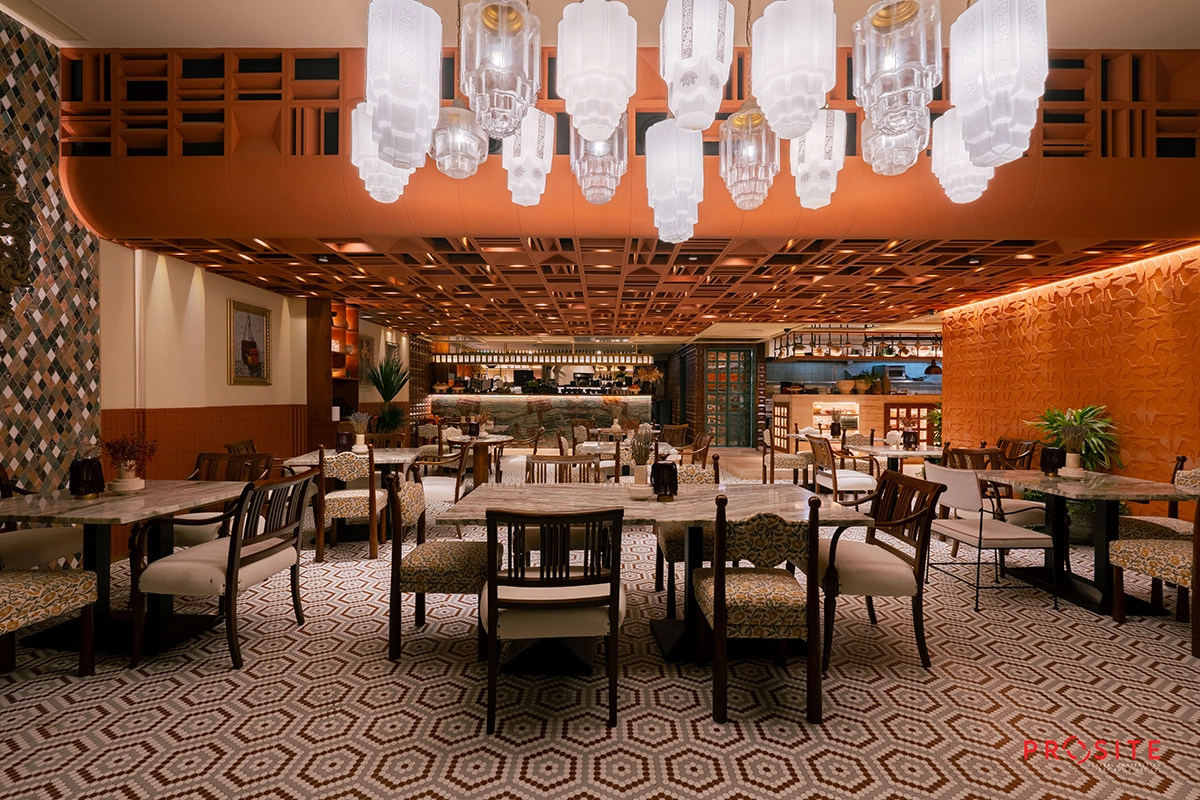
The moment a customer walks through the door, they begin to form an opinion about the establishment. This initial impression is shaped by the “atmosphere,” which is a combination of visual, auditory, and tactile cues. Specifically, the goal is to make the guest feel welcomed and relaxed. If the environment feels clinical or disorganized, the guest may feel uneasy regardless of how good the service is. Therefore, the design must reflect the specific price point and style of the cuisine. For instance, a fast-casual spot requires bright lights and durable materials, while a fine-dining venue demands soft textures and intimate seating arrangements.
Maximizing Value with a Strategic Restaurant Fit Out
A well-executed plan ensures that the space is not just beautiful but also profitable. Every square meter must serve a purpose. In Kuwait, where commercial rents can be high, optimizing the floor plan is essential for maintaining a healthy bottom line.
Balancing Capacity and Comfort
One of the biggest challenges in a Restaurant Fit Out is deciding how many tables to include. While more tables might seem to lead to more revenue, overcrowding can have the opposite effect. Specifically, if guests feel that their privacy is being invaded by neighboring tables, they are less likely to stay for dessert or coffee. Furthermore, the staff must be able to move through the dining room without bumping into chairs. Consequently, a professional designer will create a layout that maximizes seating while preserving clear “traffic lanes” for both guests and servers.
Creating Versatile Seating Zones
Not every guest has the same needs. Some may be looking for a quick business lunch, while others are celebrating a family event. Therefore, a smart layout includes different types of seating.
- Booths: These provide a sense of privacy and are highly popular for families and groups.
- Banquettes: These are space-efficient and allow for flexible table arrangements.
- High-Top Tables: These are perfect for bar areas or solo diners who prefer a more casual vibe. Specifically, by offering variety, you ensure that your restaurant is suitable for a wider range of occasions.
Technical Essentials of a Successful Restaurant Fit Out
While the dining area gets the most attention, the technical infrastructure is what keeps the restaurant running. In the harsh climate of Kuwait, these systems are non-negotiable for a positive customer experience.
HVAC and Odor Control
Cooking produces heat, steam, and intense smells. Without a powerful ventilation system, these elements will quickly leak into the dining room, making the environment uncomfortable. Specifically, the air conditioning system must be balanced to handle the heat from the kitchen while keeping the guests cool. Furthermore, specialized “make-up air” units are required to replace the air that is sucked out by the kitchen hoods. Consequently, investing in high-quality HVAC during your Restaurant Fit Out prevents the “kitchen smell” from clinging to your guests’ clothes.
Prioritizing Acoustics in Your Restaurant Fit Out
Sound is an often overlooked part of the guest experience. A restaurant that is too quiet feels awkward, but one that is too loud is exhausting. Specifically, hard surfaces like tile floors and glass walls reflect sound, creating an “echo chamber” effect. To solve this, professional contractors use acoustic panels, upholstered furniture, and even specialized ceiling baffles to absorb noise. This allows for a vibrant atmosphere where guests can still hold a conversation without shouting. Similarly, the placement of the sound system should ensure that music is balanced evenly across the room.
Lighting Design for Your Restaurant Fit Out
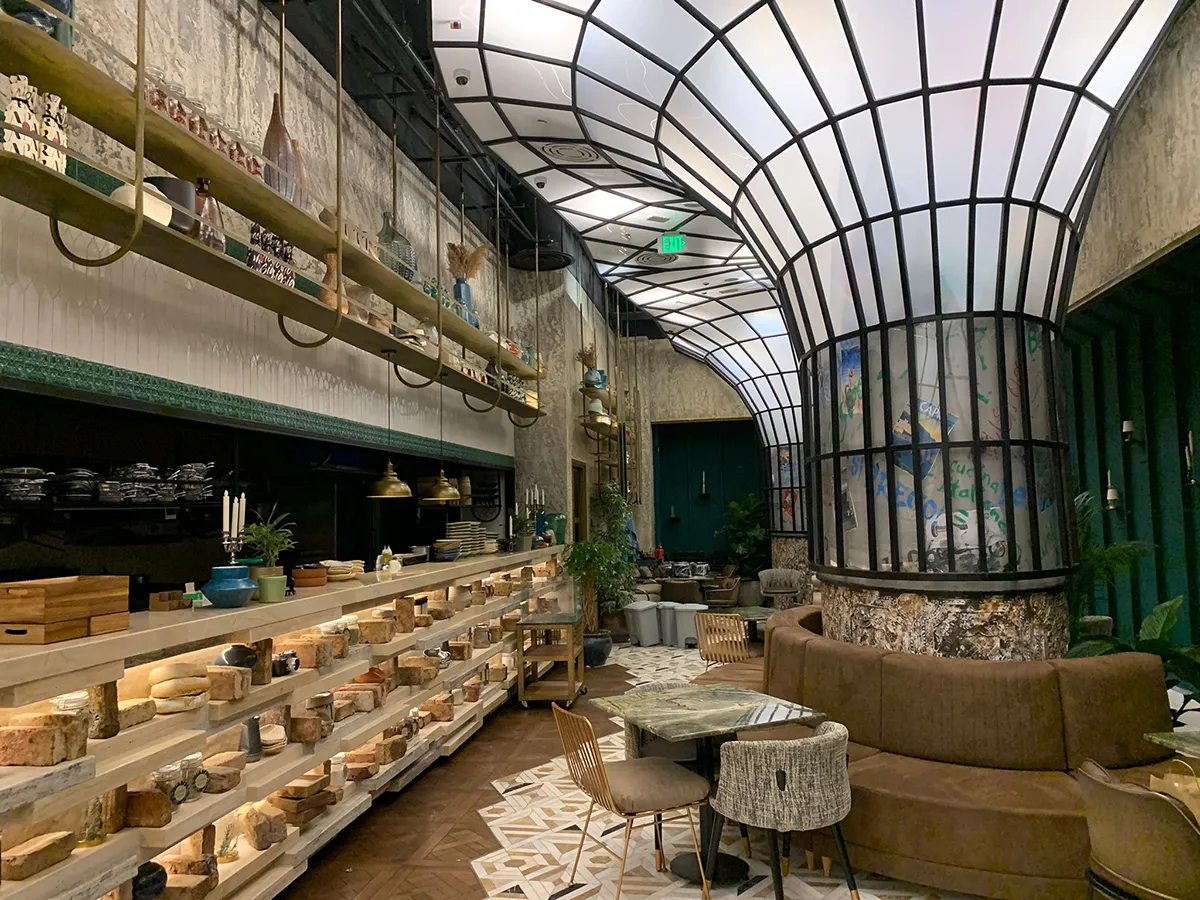
Lighting is the primary tool for setting the mood. It guides the customer’s eye and defines the transitions between different parts of the day.
Layering the Light
A professional lighting plan uses three distinct layers to create depth.
- Ambient Lighting: This is the main source of light that allows people to see and move safely.
- Task Lighting: This is essential over the tables so guests can read the menu and see their food clearly.
- Accent Lighting: This is used to highlight architectural features, artwork, or the bar area. Specifically, using dimmable controls is vital. This allows the manager to change the brightness as the sun goes down, transitioning the space from a bright lunch spot to an intimate evening venue. Furthermore, the “color temperature” of the bulbs should be consistent. Warm light usually makes food look more appetizing and skin tones look healthier.
Material Selection and Durability
The materials used in a restaurant take a lot of abuse. Between heavy foot traffic, spilled drinks, and daily cleaning with harsh chemicals, the finishes must be incredibly tough.
Commercial-Grade Surfaces
When choosing materials for your Restaurant Fit Out, you must look beyond residential options. Specifically, flooring should be slip-resistant and non-porous to prevent stains. For tabletops, materials like treated wood, stone, or high-pressure laminates are preferred because they can withstand heat and scratches. In addition to durability, these materials must be easy to sanitize. In a post-pandemic world, guests are much more aware of cleanliness, so using surfaces that look and feel hygienic is a major advantage.
The Role of the Restroom
Many guests judge the quality of a kitchen by the cleanliness and design of the restrooms. Specifically, the restroom should feel like an extension of the dining room’s design. This means using the same color palette and quality of materials. Furthermore, touchless faucets and high-quality hand dryers improve the user experience and maintain a higher standard of hygiene. Therefore, you should never treat the restroom as an afterthought during the budget planning phase.
Kitchen Integration and Back-of-House Efficiency
The heart of the restaurant is the kitchen. Even though the guests might not see it, the kitchen’s design directly impacts the speed and quality of the service.
Optimizing the “Work Triangle”
Just like in a home kitchen, a commercial kitchen relies on an efficient flow between storage, prep, and cooking. Specifically, the layout should minimize the number of steps a chef has to take. Furthermore, the “pick-up station” where servers collect the food should be easily accessible from the dining room but screened from the guests’ view to reduce noise and heat transfer. Consequently, a well-planned back-of-house ensures that the “theatre” of the dining room is never interrupted by kitchen chaos.
Conclusion
A successful Restaurant Fit Out is a marriage of art and engineering. It requires a vision for the brand and a technical understanding of how a commercial space functions. By focusing on the essentials—layout, acoustics, lighting, and ventilation—you create an environment where guests feel valued and comfortable. In Kuwait’s thriving food scene, the restaurants that stand out are those that offer a complete, high-quality experience. Specifically, when you invest in the physical comfort of your guests, you are building a foundation for long-term loyalty and success.
Are you ready to create a dining space that your guests will love?