
The physical space a business occupies is far more than a simple container for daily operations. It is a silent spokesperson for the brand. When a client walks through your door, they begin to form an opinion about your professionalism, your values, and your success before a single word is spoken. In the competitive commercial landscape of Kuwait, where high standards are the norm, the design of your interior can be a major differentiator. Specifically, the atmosphere you create serves to either reinforce your brand promise or contradict it.
Choosing the right aesthetic is a strategic decision that impacts how your employees feel and how your customers perceive your authority. Two of the most prominent directions in modern commercial interiors are minimalism and luxury. While they may seem like opposite ends of a spectrum, they both aim to communicate a specific message. Therefore, deciding which path to take requires a deep understanding of your business goals and the expectations of your audience. This guide provides a comprehensive look at both styles to help you make an informed choice for your next project.
The Philosophy of Minimalism: Clarity and Purpose
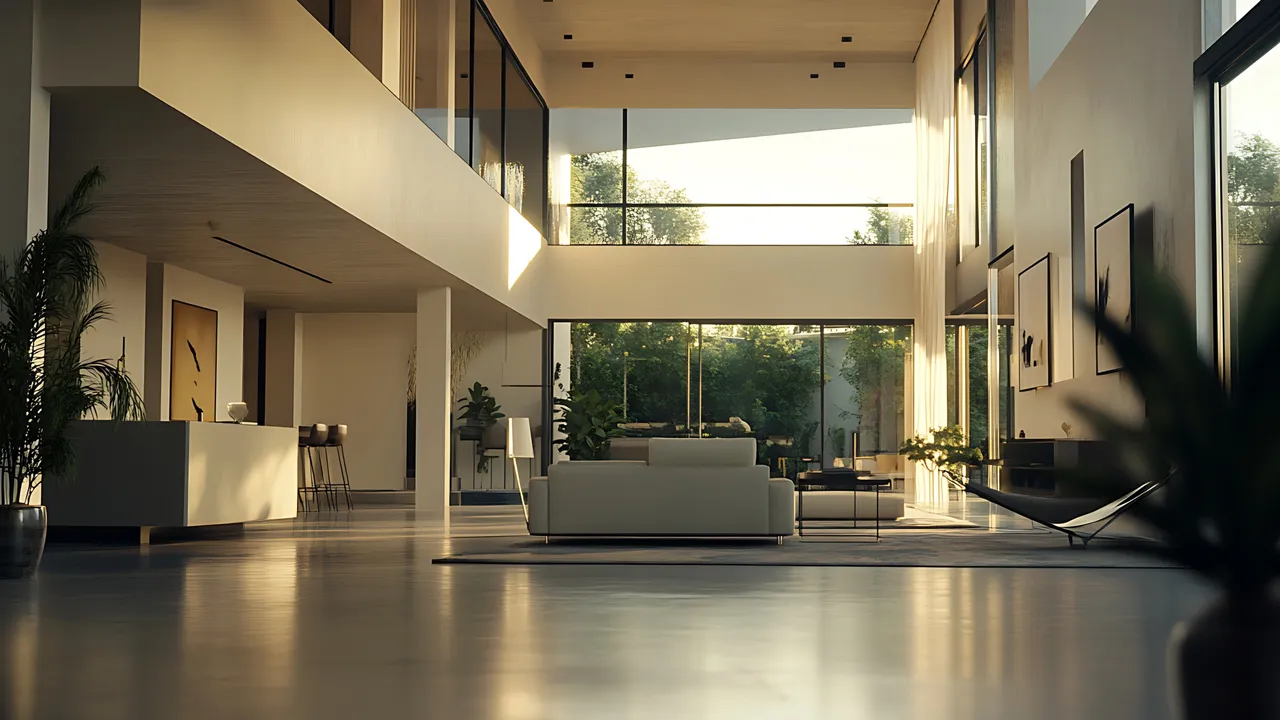
Minimalism is often misunderstood as a lack of decor or a way to save money on furniture. In reality, a minimalist design is a highly intentional and disciplined approach to space. It follows the principle that every object in a room must have a reason for being there. Specifically, this style focuses on clean lines, a neutral color palette, and the removal of all unnecessary distractions. The goal is to create a sense of calm and clarity that allows the work itself to take center stage.
For a modern business, minimalism suggests efficiency, transparency, and a forward-thinking mindset. It is a popular choice for technology firms, creative agencies, and startups that want to project a sense of innovation. By stripping away the clutter, you create an environment that feels light and airy. Furthermore, a minimalist space is often easier to navigate and maintain, which supports a high-performance culture. However, achieving a high-quality minimalist look requires a high level of precision. Because there are fewer items in the room, the quality of the materials and the execution of the construction must be flawless.
Key Features of a Minimalist Workspace
- Neutral Palettes: Use of whites, grays, and earth tones to create a cohesive look.
- Integrated Storage: Hiding cables and office supplies to maintain clean surfaces.
- Open Layouts: Maximizing floor space to encourage movement and communication.
The Essence of Luxury: Status and Refinement
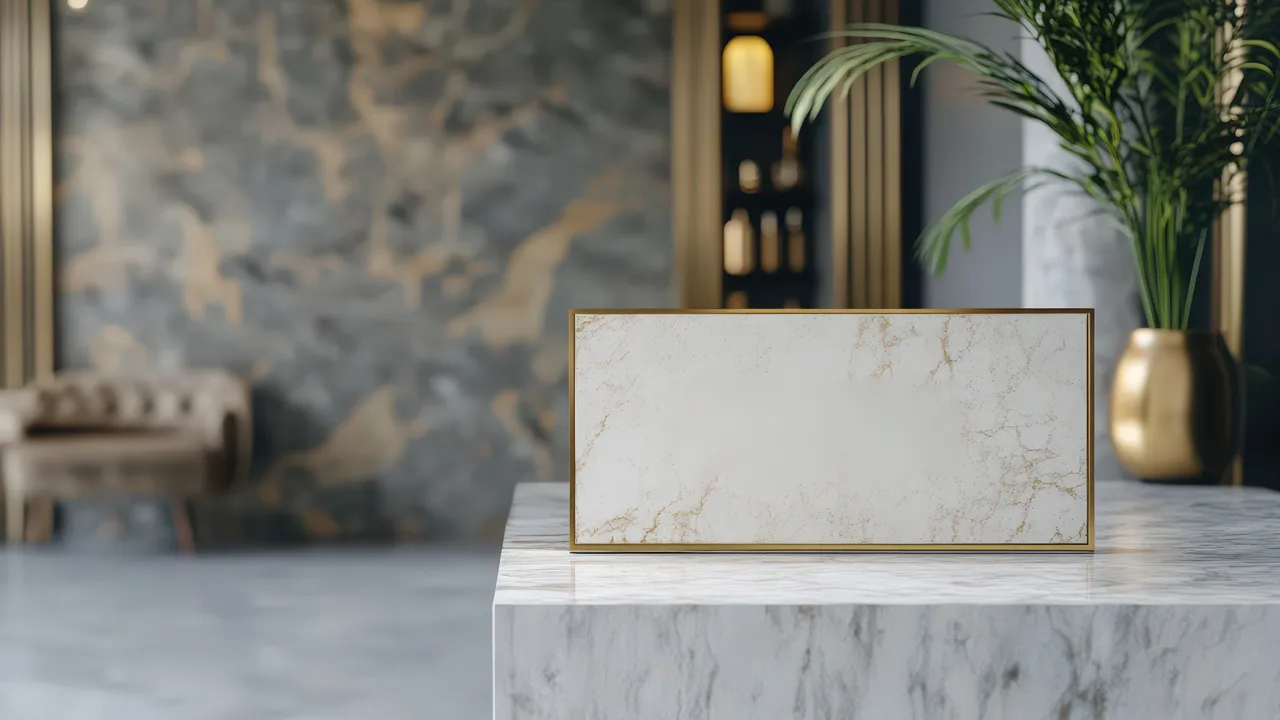
Luxury design is about creating an experience of exclusivity, comfort, and authority. It is not defined simply by a high price tag, but by the quality of the craftsmanship and the richness of the materials used. Specifically, a luxury interior uses textures, colors, and bespoke furniture to tell a story of success and stability. This style is often found in the offices of law firms, private banks, and high-end retail boutiques in Kuwait.
When a client enters a luxury space, they should feel that they are in capable and established hands. The use of premium materials, such as polished stone, rare woods, and soft leathers, communicates that the business pays attention to the finer details. Furthermore, luxury design often prioritizes the physical comfort of the guest, offering plush seating and private areas for confidential discussions. Consequently, this style is ideal for businesses where building deep trust and projecting long-term stability is essential.
Key Features of a Luxury Workspace
- Premium Materials: Use of marble, brass, and solid hardwoods.
- Bespoke Joinery: Custom-made desks and cabinets that fit the space perfectly.
- Atmospheric Lighting: Layered lighting that creates a warm and inviting mood.
How to Choose Minimalist vs Luxury Fit-Out Design
The decision between these two styles should not be based on personal preference alone. Instead, it should be a reflection of your brand identity and your target market. When you Choose Minimalist vs Luxury Fit-Out Design, you are essentially choosing the “voice” of your office.
Consider Your Brand Voice
What is the primary message you want to send? If your brand is about speed, innovation, and directness, a minimalist design is likely the better fit. Specifically, it tells the client that you are focused on the future and that you value clarity. On the other hand, if your brand is about heritage, exclusivity, and personalized service, a luxury design will reinforce those values. It tells the client that you have the resources and the experience to handle their most important needs. Therefore, your interior must be a physical manifestation of your brand’s personality.
Analyze Your Target Audience
Who is walking through your doors? Younger, tech-savvy clients often feel more at home in a minimalist, modern environment. They may perceive an overly traditional luxury office as stuffy or outdated. Conversely, high-net-worth individuals or traditional corporate partners may find a minimalist office too cold or insubstantial. Specifically, they may expect a certain level of grandeur that matches their own status. Consequently, you must design for the comfort of your guests rather than just your own tastes.
The Impact on Employee Performance
The design of the office also has a profound effect on the people who work there every day. Specifically, the environment influences their stress levels, their creativity, and their pride in their work.
Minimalist Benefits for Focus
In a world of constant digital notifications, a minimalist office can provide a much-needed mental break. Specifically, the lack of visual clutter reduces cognitive load, which helps employees stay focused on deep work. Furthermore, the openness of minimalist designs often leads to better collaboration, as there are fewer physical barriers between team members. However, you must be careful not to make the space feel sterile or unwelcoming. Adding plants or natural wood textures can keep a minimalist office feeling human.
Luxury Benefits for Morale
A luxury office can make employees feel valued and successful. Specifically, working in a beautiful, high-quality environment can boost morale and encourage professional behavior. When an employee sits in a high-end chair or works at a custom-built desk, they are reminded that their work is important. Furthermore, luxury designs often include better amenities, such as high-quality kitchens or comfortable lounge areas, which improve the overall work-life balance. Consequently, a luxury fit-out can be a powerful tool for attracting and retaining top-tier talent.
Practical Considerations and Budget
Every project has constraints. Specifically, you must consider the maintenance and the longevity of your chosen style.
Maintenance and Durability
Minimalism is often harder to maintain than it looks. Specifically, because the surfaces are clean and empty, every fingerprint or scratch is visible. You must invest in high-quality finishes that are easy to clean. Luxury interiors, while more expensive to build, often use materials that age beautifully. For example, a natural stone floor may develop a patina over time that adds to its character. Therefore, you should consider the long-term upkeep when you Choose Minimalist vs Luxury Fit-Out Design.
Balancing the Budget
It is a common mistake to think that minimalism is always cheaper. Specifically, the lack of detail means that the construction of the walls and the lighting must be perfect, which can increase labor costs. Luxury projects require a higher initial investment in materials and bespoke furniture. However, both styles can be adapted to fit different budgets. A professional designer can help you find a middle ground, such as a “minimalist-luxury” hybrid that uses a clean layout with a few high-end focal points.
Conclusion
Choosing between minimalism and luxury is about more than just picking a color scheme. It is about aligning your physical environment with your business strategy. Whether you choose the clarity of minimalism or the splendor of luxury, the most important factor is consistency. Specifically, every element of your office should work together to tell a single, powerful story about who you are. In the busy markets of Kuwait, a well-designed interior is an investment that pays dividends in client trust and employee loyalty. Specifically, when your office looks like you mean business, your clients will believe it too.
Are you ready to discover which design style will elevate your brand?