
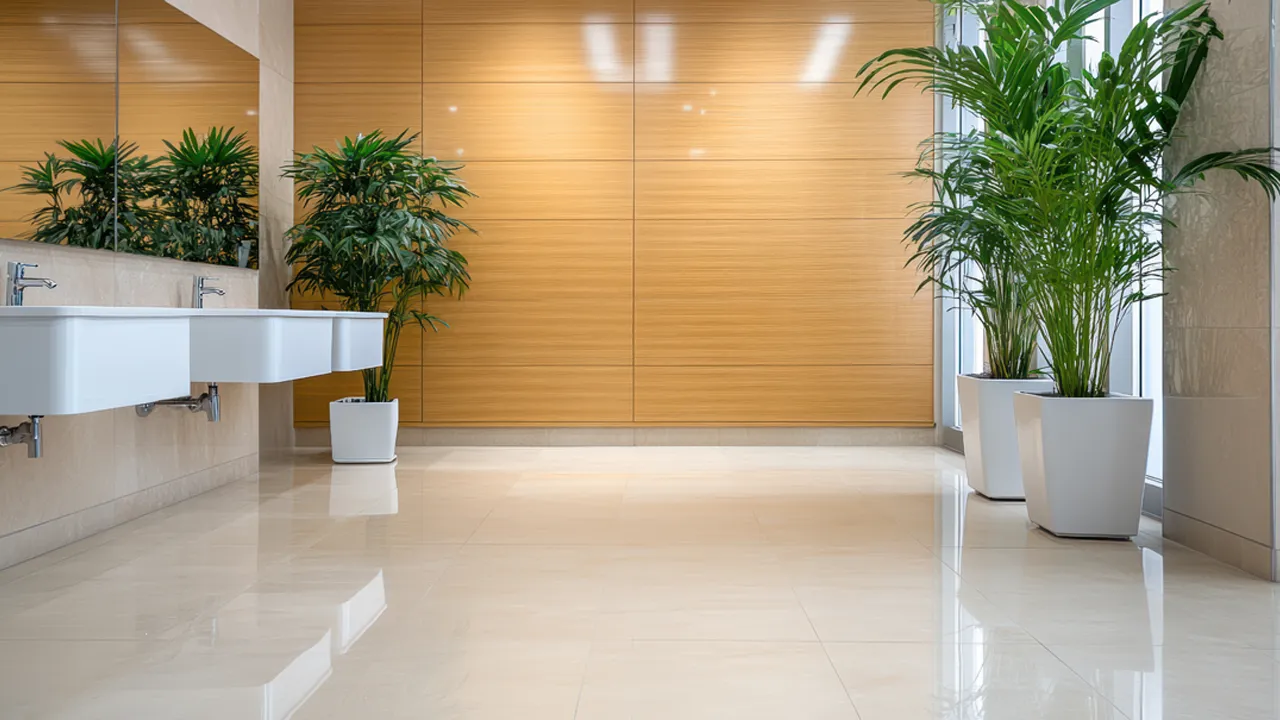
In the world of commercial design, beauty is only as valuable as its ability to last. A workspace that looks stunning on the first day but begins to show wear within six months is a poor investment. For businesses in Kuwait, the physical demands on an office are significant. High foot traffic, the constant use of industrial cleaning chemicals, and the effects of a high-capacity air conditioning system all place stress on the interior environment. Therefore, the decision to choose durable materials fit-out specialists is not just an aesthetic choice; it is a financial strategy.
When you select materials for a busy office, you must look beyond the initial purchase price. A cheaper floor may save money today, but if it requires replacement in three years, it becomes far more expensive than a premium option. This guide will help you understand how to evaluate materials based on their resilience, maintenance requirements, and long-term value. Specifically, we will explore why certain materials are better suited for high-use environments and how to ensure your investment stands the test of time.
Why You Should Choose Durable Materials Fit-Out Partners Wisely
A commercial interior is a working environment, not a showroom. This means that every surface will be touched, walked on, and cleaned thousands of times. If the materials are not up to the task, the office will quickly begin to look neglected. This has a direct impact on employee morale and client perceptions. Specifically, a worn-out office suggests a lack of attention to detail and a decline in professional standards. Consequently, the materials you choose must be able to withstand the daily grind without losing their visual appeal.
Understanding the Lifecycle of Your Investment
The lifecycle of a material includes its installation, its maintenance, and its eventual disposal. When you choose durable materials fit-out strategies, you are essentially extending this lifecycle as long as possible. Specifically, you want to find the “sweet spot” where the material offers the highest level of durability for its price. Furthermore, durable materials often require fewer repairs, which means less disruption to your business operations. By focusing on longevity, you create a more stable and professional environment for your team.
The Foundation: Flooring for High-Traffic Areas
The floor is the most heavily used part of any office. It must endure the weight of furniture, the constant movement of chairs, and the friction of thousands of footsteps. Specifically, choosing the wrong flooring is the most common mistake made in commercial renovations.
High-Performance Luxury Vinyl Tile (LVT)
In recent years, LVT has become a favorite for professional offices. Specifically, it is designed to mimic the look of wood or stone while offering incredible resistance to scratches and moisture. Because it is made of multiple layers, it provides a slight cushioning effect, which makes it more comfortable for employees who are on their feet. Furthermore, if one section of the floor is damaged, you can replace a single tile rather than the entire floor. Consequently, LVT is a highly practical choice for a modern choose durable materials fit-out plan.
The Longevity of Porcelain and Natural Stone
For lobbies and reception areas, nothing beats the durability of porcelain tiles or natural stone. Specifically, porcelain is fired at extremely high temperatures, making it incredibly hard and non-porous. It is nearly impossible to scratch and is resistant to almost all stains. Natural stone, such as granite or marble, offers a timeless look of luxury. However, it does require periodic sealing to prevent staining. Therefore, while the initial cost is higher, these materials can literally last for decades with the right care.
Technical Standards to Choose Durable Materials Fit-Out Excellence
To make an informed decision, you must understand the technical ratings that manufacturers use to measure durability. Specifically, these numbers tell you exactly how a material will perform under stress.
The Martindale and Wyzenbeek Rub Tests
When selecting fabrics for office chairs and sofas, you should check the “rub count.” Specifically, these tests simulate a person sitting and standing thousands of times. For a busy office, you should look for fabrics that have a rating of at least 50,000 to 100,000 rubs. This ensures that the fabric will not thin or tear over time. Furthermore, choosing synthetic blends or treated leathers can provide additional protection against spills and stains. Consequently, high-rub fabrics are essential for maintaining a professional look in common areas.
Slip Resistance and R-Ratings
In high-use areas like pantries or restrooms, safety is just as important as durability. Specifically, flooring materials are given an “R-rating” for slip resistance. For a commercial kitchen or a washroom, you should look for a rating of R10 or higher. This ensures that even if the floor is wet, it remains safe for your staff. Therefore, the technical performance of a material is a vital part of your choose durable materials fit-out checklist.
Walls and Vertical Surfaces: Beyond Just Paint
Walls are often overlooked, but they take a significant amount of abuse from moving furniture, cleaning carts, and people leaning against them. Specifically, standard paint is rarely enough to protect a high-traffic hallway.
High-Pressure Laminates (HPL) and Wall Cladding
For corridors and busy meeting rooms, wall cladding is a much better option than paint. Specifically, high-pressure laminates are extremely tough and resistant to impacts. They come in a wide range of colors and textures, allowing you to maintain a high-end look while protecting the structure of the wall. Furthermore, these panels are very easy to wipe clean, which is essential for maintaining hygiene. Consequently, cladding is a smart long-term investment for any busy workspace.
Washable and Scuff-Resistant Paints
If you prefer the look of paint, you must choose a product specifically formulated for commercial use. Specifically, these paints have a higher resin content, which makes them harder and more resistant to scuffing. Many of these products are now “scrubbable,” meaning you can use cleaning agents to remove marks without damaging the finish of the paint. Therefore, even the simplest part of your fit-out requires a focus on durability.
Furniture and Joinery: Built for Constant Use
Office furniture is an investment in productivity. If a desk wobbles or a cabinet door breaks, it disrupts the flow of work. Specifically, the hardware and the core materials used in your furniture define its lifespan.
The Strength of Solid Core Materials
Avoid furniture made from low-grade particle board. Specifically, look for items constructed from high-density fiberboard (HDF) or solid wood cores. These materials hold screws and hinges much more securely over time. Furthermore, the edges of the furniture should be finished with thick PVC or ABS edge-banding. This prevents the edges from chipping when hit by chairs or vacuum cleaners. Consequently, high-quality joinery is a hallmark of a successful choose durable materials fit-out project.
Hardware and Moving Parts
The durability of a cabinet is only as good as its hinges and drawer slides. Specifically, you should insist on heavy-duty commercial hardware. These components are designed to be opened and closed tens of thousands of times without failing. Furthermore, many modern hardware options include “soft-close” features, which reduce the impact on the furniture and extend its life even further. Therefore, the small details inside the furniture are just as important as the surfaces you see.
Maintenance: The Key to Longevity
No material is completely indestructible. The way you care for your office determines how long it will remain in peak condition. Specifically, a durable material is one that is easy to maintain.
Designing for Cleanliness
When you choose durable materials fit-out options, you should consider how they will be cleaned. Specifically, avoid deep-pile carpets that trap dust and allergens. Instead, choose low-profile carpet tiles or hard flooring that can be easily sanitized. Furthermore, ensure that the materials you select are resistant to the specific cleaning agents used by your maintenance team. This prevents chemical damage that can dull the finish of your floors or furniture. Consequently, a maintenance-friendly design is a fundamental part of sustainability.
Conclusion
Choosing materials for a high-use workspace is a balance of science and art. It requires a deep understanding of how people interact with their environment and a commitment to quality. Specifically, when you choose durable materials fit-out solutions, you are protecting your business from future costs and headaches. You are creating a space that remains professional, safe, and inspiring for many years to year. In the competitive environment of Kuwait, a durable office is a sign of a stable and successful company. Specifically, when you invest in quality today, you secure your success for tomorrow.
Are you ready to build a workspace that stands the test of time?