
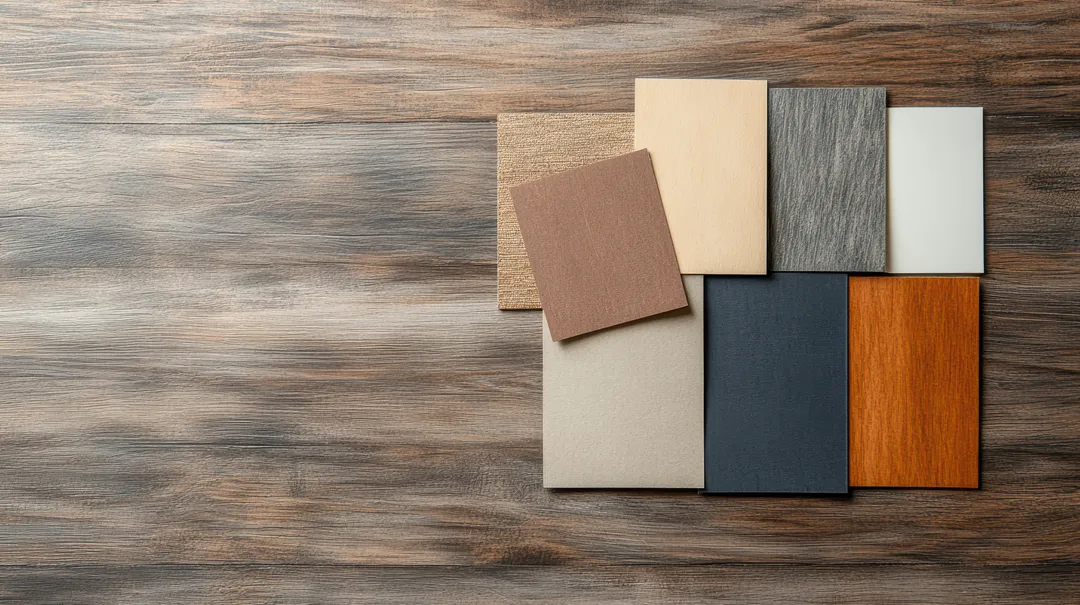
When a client walks into your office, their experience begins the moment their feet touch the floor. While walls and furniture often get the most attention during the design phase, the flooring is arguably the hardest working element in any commercial space. It endures constant foot traffic, the rolling of office chairs, coffee spills, and the weight of heavy equipment. Choosing the wrong material can lead to early wear, high maintenance costs, and an environment that feels noisy or uncomfortable.
Prosite believes that the floor is the foundation of your entire interior strategy. It sets the tone for the aesthetic, whether you want a warm and welcoming feel or a sleek, industrial look. However, the decision should never be based on looks alone. You have to consider the specific needs of different zones within your workspace. What works for a quiet boardroom will not work for a high-traffic reception area or a staff pantry. This guide explores the most effective materials to help you identify the Best Flooring Options for Commercial Fit-Outs based on your unique operational needs.
Exploring LVT and the Best Flooring Options for Commercial Fit-Outs
Luxury Vinyl Tile, commonly known as LVT, has become a favorite in the world of commercial design. It offers a perfect balance between high-end aesthetics and rugged durability. LVT is manufactured in layers, with a high-definition photographic layer that can mimic the look of natural wood, stone, or even concrete with incredible accuracy.
Why LVT Ranks Among the Best Flooring Options for Commercial Fit-Outs
The reason Prosite frequently recommends LVT is its resilience. Unlike natural hardwood, LVT is highly resistant to moisture and scratches. It does not warp when exposed to humidity, making it an excellent choice for regions with extreme weather. Furthermore, it is much softer underfoot than stone or ceramic tiles, which provides a more comfortable walking surface for staff who are on their feet throughout the day.
Maintenance is another area where LVT shines. It does not require the specialized waxing or polishing that traditional vinyl floors often need. A simple sweep and a damp mop are usually enough to keep it looking new for years. Because it comes in individual tiles or planks, if one section becomes damaged, it can be replaced without tearing up the entire floor. This modularity is a significant cost saver over the long term.
The Practicality of Carpet Tiles in the Modern Office
For many years, broadloom carpet was the standard for offices. However, it was difficult to install and even harder to repair. If a single area was stained, the whole room often needed to be replaced. Today, carpet tiles have revolutionized how Prosite approaches soft flooring. These modular squares provide the comfort of carpet with the flexibility of a puzzle.
Selecting Carpet Tiles as the Best Flooring Options for Commercial Fit-Outs
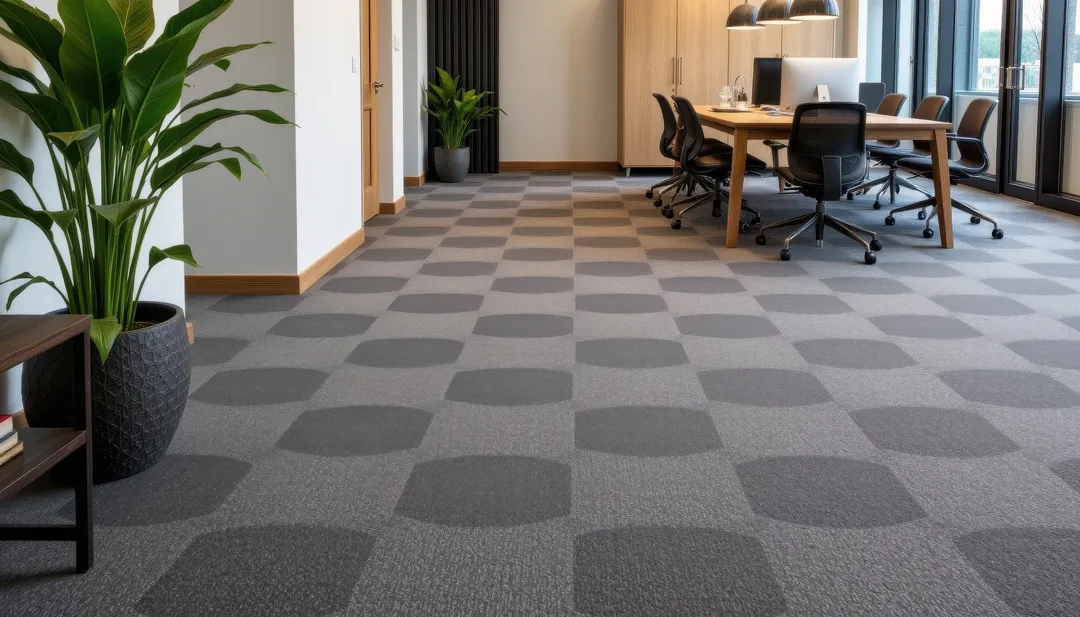
In an open-plan office, noise is a major distraction. Carpet tiles are one of the most effective tools for acoustic management. They absorb the sound of footsteps and voices, preventing echoes and creating a more focused atmosphere. Prosite suggests using carpet tiles in areas where employees spend the majority of their time at their desks.
The real benefit of carpet tiles is their adaptability. In a busy office, spills are inevitable. With tiles, you can simply lift the damaged square and replace it with a fresh one. Many businesses even buy extra boxes of tiles at the start of the project to ensure they have an exact color match for future repairs. Additionally, carpet tiles allow for creative patterns. You can use different colors to define walkways or to highlight specific departments within a larger room.
Polished Concrete for an Industrial Aesthetic
If your brand is modern, creative, or tech-focused, you might want to skip the traditional finishes and look at the building’s structural base. Polished concrete has moved from warehouses into high-end corporate offices. It provides a seamless, minimalist look that is incredibly hard-wearing.
Prosite finds that polished concrete is one of the most sustainable options available. Since you are using the existing floor slab, you are not consuming new materials like vinyl or carpet. Once the concrete is ground down and sealed, it creates a reflective surface that can actually help brighten the office by bouncing natural light further into the space. While it is a hard surface that can be loud, it is virtually indestructible. It is perfect for entrance lobbies and high-traffic corridors where durability is the primary concern.
Hard Surfaces for Specialized Zones
In every office, there are areas that face unique challenges. The pantry, the bathrooms, and the server room each have specific requirements that a standard office carpet cannot meet.
Porcelain and Ceramic Tiles for High-Traffic Areas
For areas prone to moisture, such as kitchens or bathrooms, porcelain tiles remain a top choice. They are non-porous and incredibly easy to sanitize. In a commercial setting, Prosite recommends choosing tiles with a high slip-resistance rating to ensure the safety of your staff and visitors. Large-format tiles can also make a small breakroom feel much larger and more modern.
Static-Dissipative Flooring for Technical Rooms
If your business handles sensitive electronic equipment or has a dedicated server room, you need specialized flooring. Static-dissipative or anti-static floors help prevent the buildup of static electricity, which can damage expensive hardware. Prosite ensures that these technical requirements are considered early in the planning phase, as the installation process for these floors is quite specific and requires specialized grounding.
How to Choose the Right Material for Your Needs
With so many choices available, how do you decide which is best for your company? Prosite suggests evaluating each option based on four main criteria: traffic levels, acoustic needs, maintenance budget, and brand identity.
If your office is on a ground floor with direct street access, you will deal with more dirt and moisture, making LVT or polished concrete better than carpet. If your team does a lot of collaborative work and the office is loud, carpet tiles should be your priority. Prosite also encourages looking at the “total cost of ownership.” A cheaper floor that needs replacing in three years is much more expensive than a high-quality material that lasts for ten.
Do not be afraid to mix and match materials. A well-designed office often uses a combination of several different flooring types. Using a hard surface for the “streets” or corridors of the office and a soft carpet for the “neighborhoods” or desk areas is a great way to balance durability with comfort. This approach also helps with wayfinding, as the change in floor texture naturally tells people where different zones begin and end.
Conclusion
The floor is more than just a surface to walk on. It is a critical part of your office’s performance and your company’s professional image. Whether you choose the acoustic benefits of carpet tiles, the versatility of LVT, or the modern edge of polished concrete, your decision will impact the daily lives of your employees for years to come. Prosite is dedicated to helping business owners navigate these choices to find the perfect match for their brand and their budget. By focusing on quality and functionality from the ground up, you ensure that your investment is protected and your team has the best possible environment in which to succeed.
If you are ready to transform your workspace and want to see samples of the latest materials, our team is here to guide you through every step of the process. We help you select and install the surfaces that will serve your business best.