
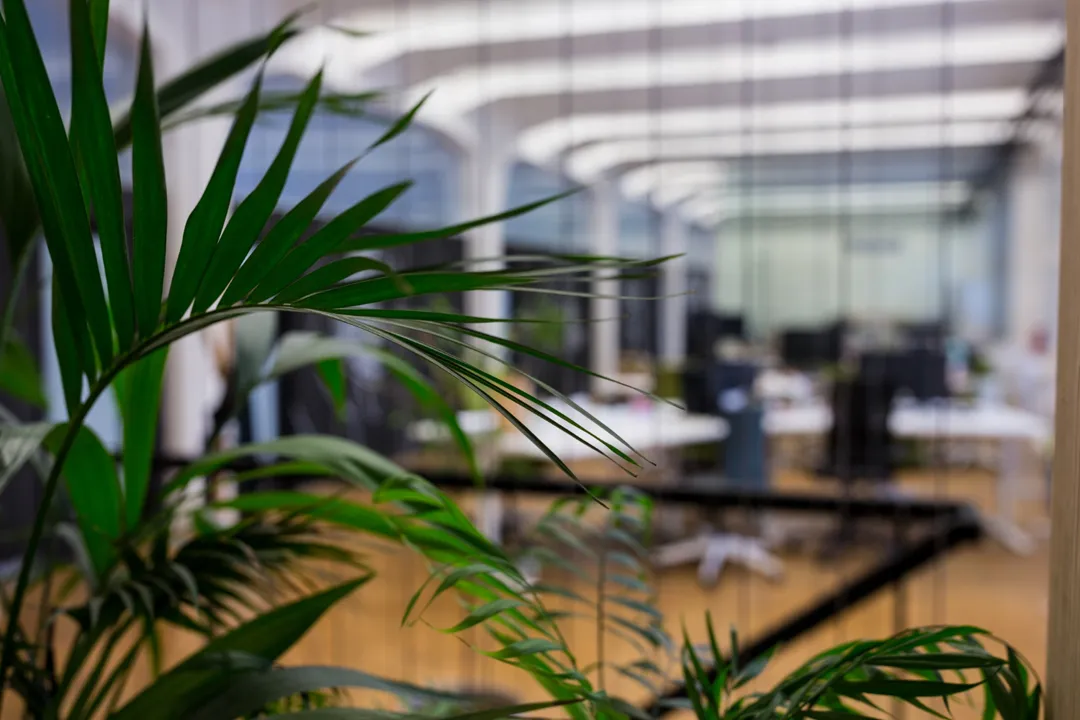
In 2026, the focus of business design has moved beyond simple aesthetics. Companies in Kuwait now prioritize the environment and the health of their employees as core parts of their strategy. Choosing eco-friendly materials is a practical way to achieve these goals while building a professional and responsible image. Specifically, a sustainable workspace reduces waste and creates an environment where people feel energized.
When you plan a project, every material choice matters. From the paint on the walls to the tiles on the floor, the products you select define the lifecycle of the building. This guide highlights the most effective and durable green materials currently used to create high-quality workplaces.
The Growing Demand for Green Commercial Fit-Outs
Commercial spaces are no longer just places to work; they are reflections of a company’s values. Specifically, modern businesses are moving away from traditional, high-waste construction methods. Instead, they are opting for materials that are renewable, recycled, or locally sourced. This shift helps reduce the carbon footprint of a project and often leads to long-term savings in maintenance and energy costs. Consequently, a green office is a more resilient and cost-effective asset.
Recycled Wood and Metal in Commercial Fit-Outs
One of the most effective ways to build sustainably is to use reclaimed materials. Specifically, recycled wood from older structures adds a unique character to an office that new lumber cannot match. It prevents deforestation and reduces the energy required for processing new wood. Similarly, recycled steel and aluminum are becoming standard for partitions and furniture. These metals can be recycled indefinitely without losing their strength. Using them ensures that your workspace is built with materials that support a circular economy.
Enhancing Air Quality in Commercial Fit-Outs
Indoor air quality is a major factor in employee productivity and well-being. Many traditional paints and adhesives release volatile organic compounds, which can cause headaches, dizziness, and fatigue. Specifically, choosing low-VOC or zero-VOC finishes is essential for a healthy environment. These modern paints are just as durable and vibrant as traditional ones but do not release harmful gases. Furthermore, natural fiber carpets made from wool or recycled plastic bottles help regulate humidity and absorb sound, which makes the office much more comfortable.
Natural Flooring Solutions for Modern Commercial Fit-Outs
The floor is a significant surface area in any commercial project. Choosing a renewable material can make a massive difference in both the look and the impact of the space.
The Durability of Bamboo and Cork
Bamboo is a fast-growing grass that is stronger than many hardwoods. It is durable enough for high-traffic areas like lobbies and hallways. Specifically, bamboo grows back in just a few years, making it one of the most renewable resources available today. Cork is another excellent choice because it is harvested without killing the tree. It provides natural thermal insulation and acoustic benefits, making it perfect for quiet zones or meeting rooms.
Sustainable Soft Finishes and Textiles
The final touches of a workspace, such as upholstery and curtains, should also be eco-friendly. Specifically, look for fabrics made from organic cotton, hemp, or recycled polyester. These materials are free from toxic fire retardants and heavy metals. By paying attention to these smaller details, you ensure that every part of your office is safe for your team and the planet.
Conclusion
Building a sustainable office is a wise investment for the future. It creates a space where people feel comfortable and motivated to work. Specifically, when you prioritize eco-friendly materials, you are building a legacy of responsibility and care. In a competitive market, a green office stands out as a sign of quality and forward-thinking leadership.
Are you ready to transform your workspace with sustainable materials?