
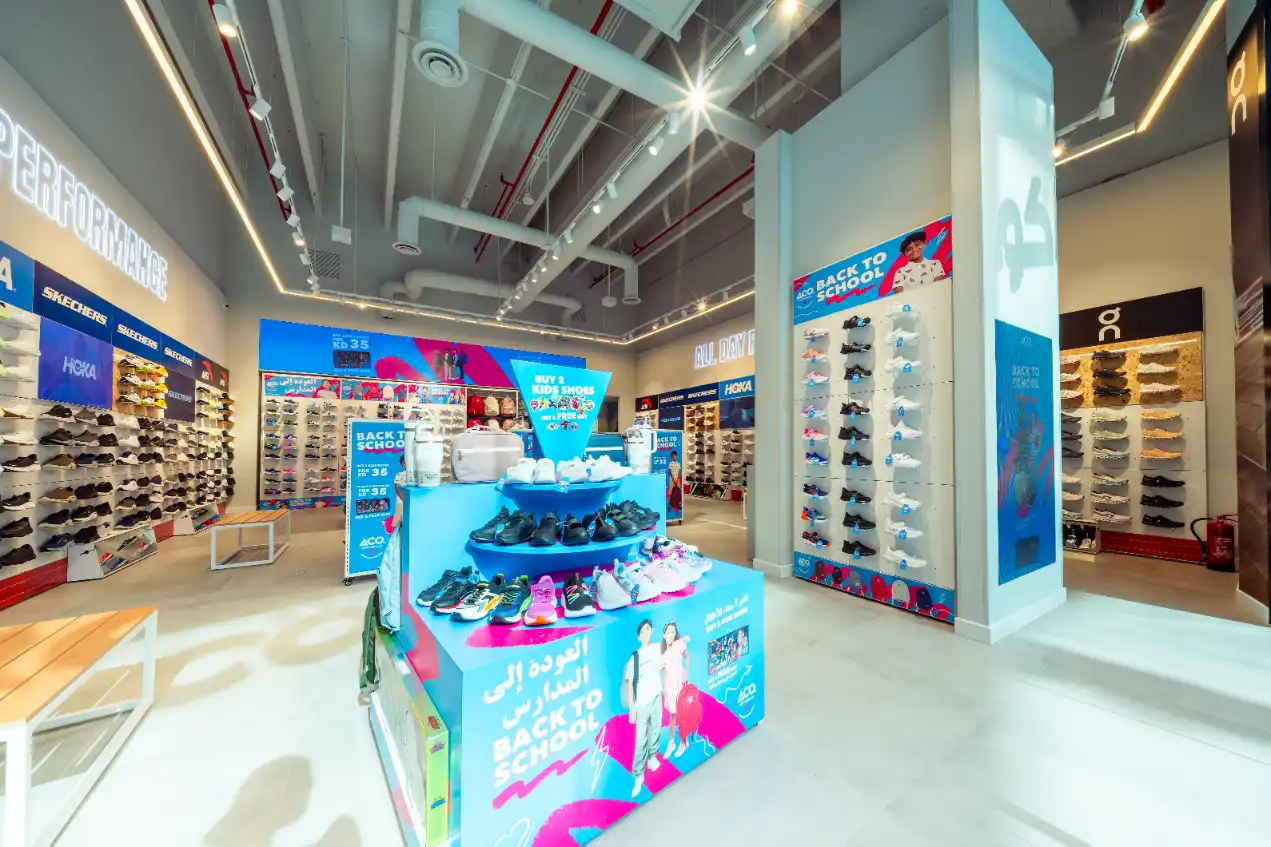
The retail industry in Kuwait is highly competitive. With the presence of world class shopping malls and luxury boutiques, a physical store must do more than just hold inventory. It must serve as an active participant in the sales process. Specifically, the design of your shop should guide customers, influence their emotions, and ultimately encourage them to make a purchase. Many business owners overlook the fact that the physical environment is a silent salesperson. Consequently, investing in a thoughtful interior is one of the most effective ways to increase your revenue.
When you begin planning a new store or a renovation, you need a strategy that balances beauty with functionality. Therefore, focusing on specific design elements that have been proven to impact consumer behavior is essential. This guide explores several comprehensive strategies and Retail Fit-Out Design Ideas that can help you create a high performing commercial space.
The Psychology of the Retail Experience
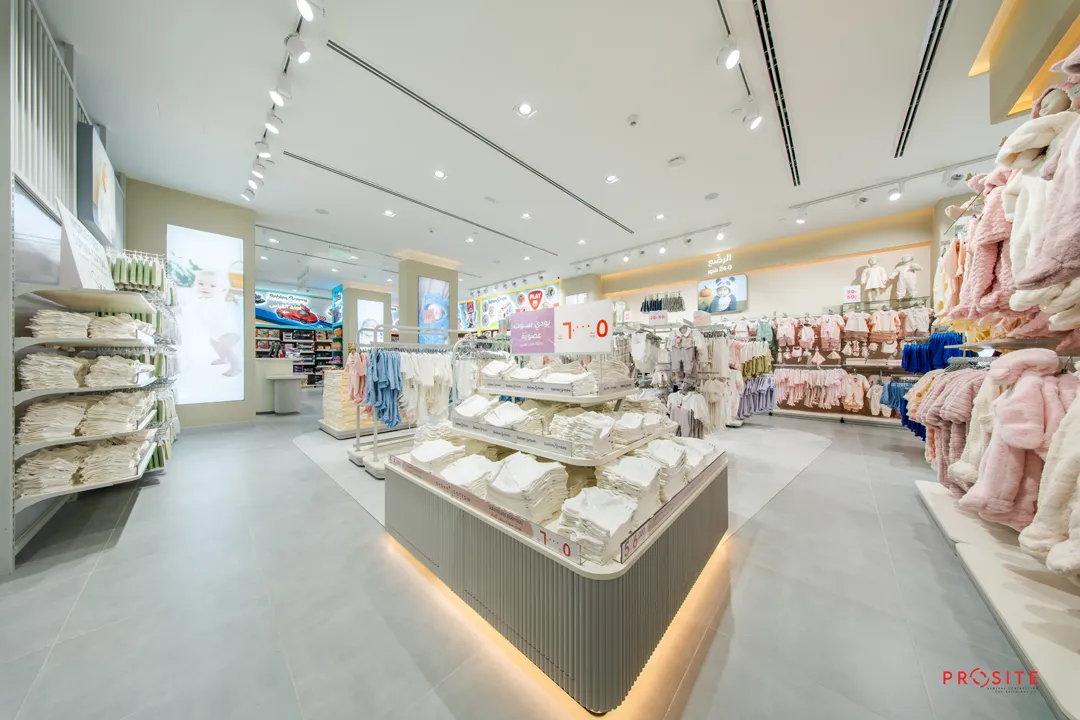
Before you choose your shelving or paint colors, you must understand the psychology of the modern shopper. Specifically, a customer enters a store looking for an experience that they cannot get through a screen. They want to touch products, see true colors, and feel the atmosphere of the brand. Therefore, the goal of your interior should be to engage all the senses. If a store feels cramped or poorly lit, the customer will likely leave without spending much time exploring. However, a well designed space keeps them engaged for longer, which directly increases the probability of a sale.
Practical Retail Fit-Out Design Ideas for Kuwait Stores
The first few steps a customer takes into your shop are the most critical. This area is often called the decompression zone. Specifically, this is where the customer transitions from the busy mall or street into your brand’s world.
Mastering the Decompression Zone
In this initial space, you should avoid placing any critical merchandise or complex displays. Specifically, the customer needs a few seconds to adjust to the lighting, the temperature, and the overall vibe of the store. If you clutter this area, they will feel overwhelmed. Instead, use this zone to create a sense of openness. Furthermore, you can use subtle scent marketing or soft music to set the mood. Consequently, once the customer feels relaxed, they are much more likely to notice the products you have placed further inside.
Using Lighting as Part of Retail Fit-Out Design Ideas
Lighting is perhaps the most powerful tool in your design kit. It does more than just make things visible; it creates focus and hierarchy. Specifically, you should avoid using a single, flat light source for the entire store. Instead, use a layered approach.
- Ambient Lighting: This provides the general illumination for the store and sets the overall tone.
- Accent Lighting: This is used to highlight specific high value items or new arrivals. By making these products brighter than their surroundings, you naturally draw the customer’s eye toward them.
- Task Lighting: This is essential for checkout counters and dressing rooms where customers need to see details clearly.
In Kuwait, where natural light is often intense outside, you must ensure your internal lighting provides a comfortable contrast. Therefore, using warm or cool tones strategically can help define different sections of your store. Specifically, warm lighting often works well for luxury or cozy brands, while cool, bright light is better for technology or pharmacy settings.

Managing Customer Flow and Layout
The way a person moves through your store is rarely random. Specifically, research shows that most shoppers naturally turn to the right after entering a building. This is known as the invariant right. Consequently, your most important displays or high margin products should be placed on the right side of the store to catch this initial wave of attention.
Effective Layouts and Retail Fit-Out Design Ideas
Choosing the right layout depends on what you are selling and how you want your customers to feel.
The Loop or Racetrack Layout
This layout creates a clearly defined path for the customer to follow. It is one of the most effective Retail Fit-Out Design Ideas for larger stores because it ensures that every product is seen. Specifically, the path leads the customer through every department before they reach the checkout. Furthermore, you can place “speed bumps,” small, eye catching displays, along the path to encourage impulsive browsing. Consequently, this model maximizes the exposure of your inventory.
The Free-Flow Layout
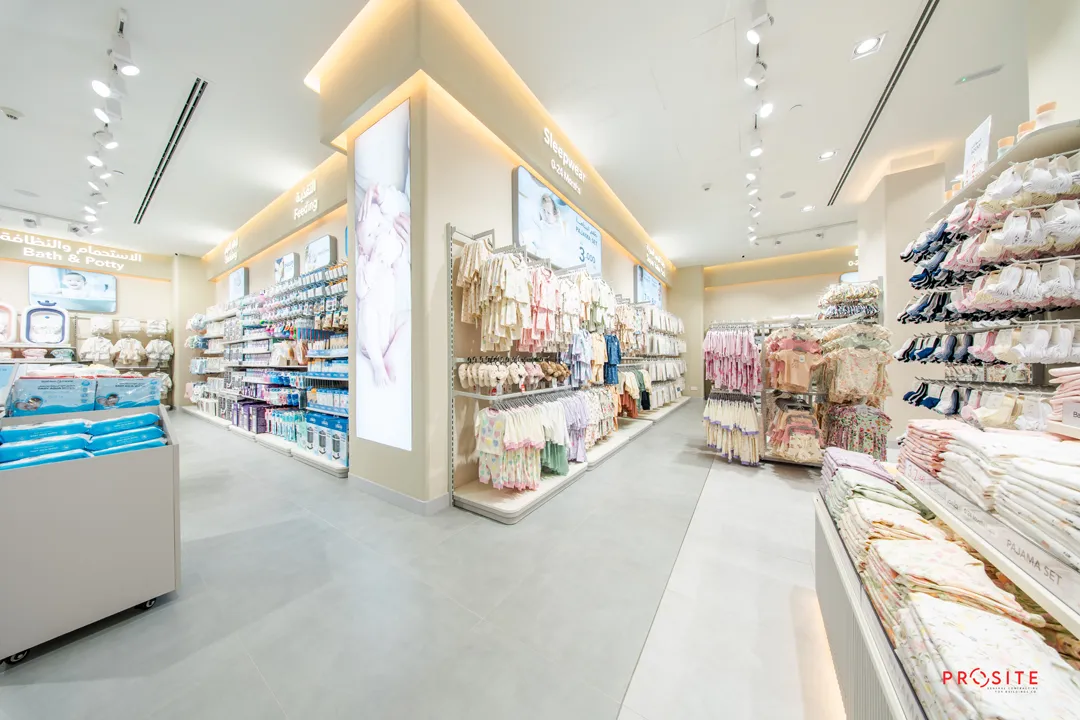
For boutiques or high end luxury brands, a free-flow layout is often better. This design encourages wandering and discovery. Specifically, there are no rigid aisles. Instead, products are grouped on different tables and pedestals. This creates a more relaxed and exclusive shopping experience. However, you must be careful to maintain clear sightlines across the store so that customers do not feel lost. Therefore, this layout requires a very high level of visual merchandising to be successful.
The Power of Visual Merchandising and Textures
Visual merchandising is the art of telling a story through your products. Specifically, you should group items in a way that suggests a lifestyle. For example, rather than just displaying a shirt, you should display an entire outfit with accessories. This helps the customer visualize how the product fits into their own life.
Utilizing Vertical Space
Many retailers forget to use the space above eye level. Specifically, using high shelving or decorative wall features can make a small store feel much larger. However, you must ensure that the most popular items remain within easy reach. Furthermore, using different heights for your displays creates visual interest. If every table is the same height, the eye tends to skim over the products without stopping. Consequently, varying the levels of your displays keeps the customer’s brain engaged and alert.
Incorporating Tactile Materials
In a digital world, the physical touch of a material is a luxury. Specifically, you should choose textures that reflect your brand’s price point. For a high end store in Kuwait, using marble, brass, or soft velvet can communicate quality instantly. On the other hand, for a modern tech brand, clean glass and polished metal might be more appropriate. Therefore, the materials you choose during your fit out should reinforce the message you want to send to your customers.
Designing an Effective Checkout Experience
The sale is not finished until the customer has paid. Specifically, the checkout area is often where the most significant impulsive purchases happen.
Strategic Point of Purchase Displays
The wall behind the checkout counter is prime real estate. Specifically, you should use this area for branding or to display small, affordable add-on items. Furthermore, the counter itself should be large enough for the customer to place their bags comfortably. If the checkout feels cramped or messy, it leaves a negative final impression. Consequently, a clean and professional checkout area ensures that the customer leaves on a high note, which increases the chance of them returning.
Comfort and Amenities
In Kuwait, providing a comfortable environment is a major competitive advantage. Specifically, if your store is large, you should consider adding seating areas for those who are accompanying the shopper. Furthermore, ensuring that the air conditioning is perfectly balanced is essential. If a customer feels too hot, they will leave the store regardless of how good the products are. Therefore, the technical parts of your fit out are just as important as the visual ones for driving sales.
Conclusion
Creating a retail space that sells requires a deep understanding of human behavior and a commitment to quality. Specifically, every element, from the lighting at the entrance to the texture of the checkout counter, must work together to support the brand. By implementing these Retail Fit-Out Design Ideas, you turn your store into a destination rather than just a shop. In the busy markets of Kuwait, a well designed interior is the difference between a person walking past your window and a person walking through your door. Specifically, when you invest in your environment, you are investing in your bottom line.
Are you ready to transform your store into a sales powerhouse?